Guides / When is the Day of the Dead?
When is the Day of the Dead?
Dia de los Muertos is held on 1 and 2 November every year. It is not a day of grief but of remembrance: a warm gathering to honour the family who have died, and to keep their stories alive.
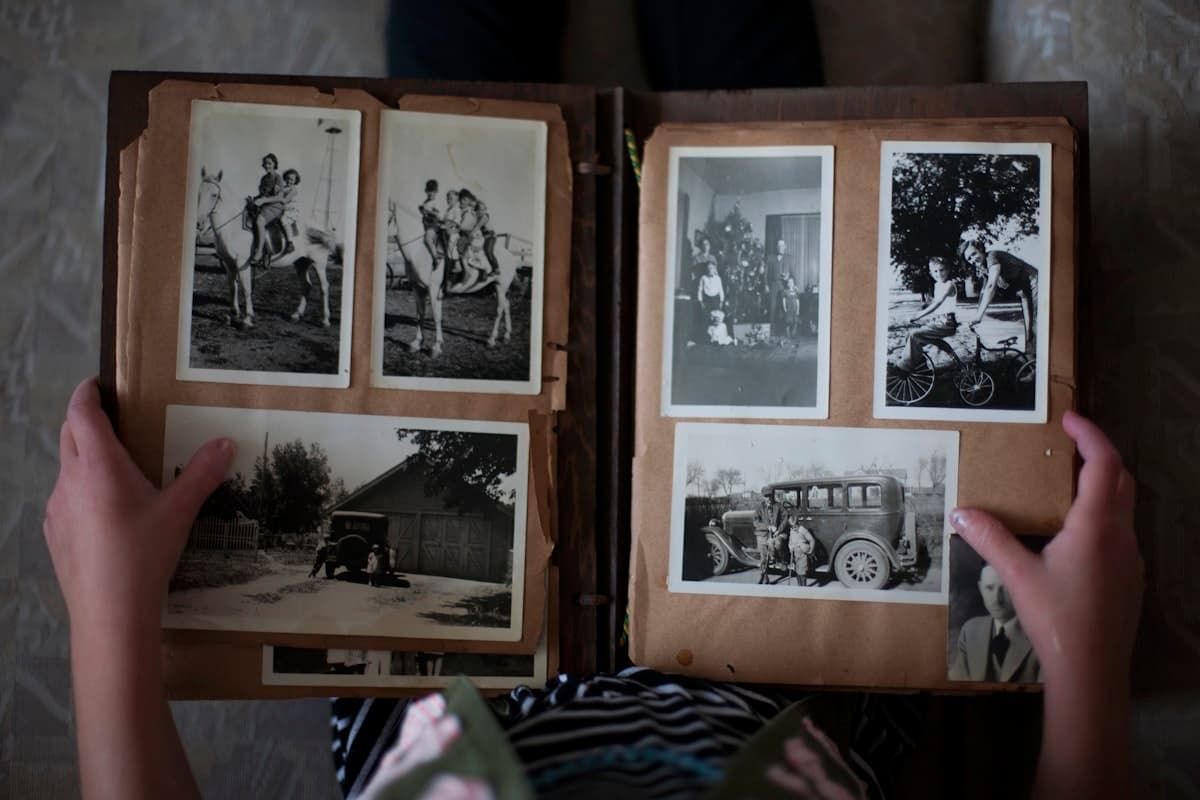
The Day of the Dead is one of the gentlest days in the whole calendar. It is not about sorrow. It is a warm, colourful remembrance, a time when families in Mexico and beyond welcome back the people they have loved and lost, and remember them by name. It is held on 1 and 2 November every year. Last checked: August 2026.
When is the Day of the Dead?
Dia de los Muertos spans two fixed dates: 1 November, which honours children who have died, and 2 November, which honours those who died as adults. The dates do not move. The next observance falls across 1 and 2 November, with 2 November, the main day of remembrance, on Monday 2 November 2026.
See every family date together on our key family dates page.
Where the Day of the Dead comes from
Dia de los Muertos blends pre-Hispanic Indigenous traditions of honouring the dead with the Catholic feasts of All Saints and All Souls that arrived with Spanish colonisation. Families build ofrendas, altars laid with photographs, favourite foods and bright marigolds, to welcome the spirits of relatives home for a night. It was inscribed on UNESCO's list of Intangible Cultural Heritage in 2008. At its heart is a simple, powerful belief: that a person is never wholly gone as long as someone still remembers them and tells their story.
That is why the day matters far beyond Mexico. Every family, wherever it is, has people it does not want to forget. The photographs on the altar, the dishes cooked the way a grandmother made them, the stories retold each year, are all ways of keeping someone present.
Take the questions with you
Enter your name and email and we will send you the printable keepsake: the ten most important questions in a beautiful format you can print and keep.
Remembering those we have lost, and keeping the stories still here
Anyone who has lost a parent or grandparent knows the particular ache of the questions you never asked. The name of a village. How they met. What the hardest year was, and how they came through it. Those answers do not sit in an altar or a photograph. They live only in the person, and when the person is gone, they are gone with them, unless someone thought to ask in time.
The Day of the Dead is a tender reminder to ask now. This is the whole reason we built HeartTold. One of our friendly, patient agents calls the elders still with you each week, asks about their life and the people who came before them, and keeps their answers in their own voice inside a private family archive. The stories they carry, including the memories of those already gone, are gathered and kept for the whole family. There is no app to learn, just a phone call. Everything stays private, and is never used to train AI models.
A person is never wholly gone while their story is still told. This is a day to make sure it is.
If the Day of the Dead moves you to keep your family's stories while you can, you can start one for your family or give HeartTold as a gift today.
Related guides: questions to ask your grandparents, how to preserve a loved one's voice, and life story prompts.
Keep the stories of the family still here
The Day of the Dead reminds us how much is lost when a story goes untold. HeartTold turns a weekly phone call into a living family memory vault, so the memories your elders carry are kept while there is still time to ask.
Common questions
When is the Day of the Dead?
Dia de los Muertos, the Day of the Dead, is held on 1 and 2 November every year. 1 November honours children who have died, and 2 November honours adults. The dates are fixed and do not move.
What is the Day of the Dead about?
It is a Mexican remembrance in which families welcome back the spirits of relatives who have died. They build ofrendas, or altars, with photographs, food and marigolds, and gather to remember the people they have lost and tell their stories.
How can I keep a departed relative's memory alive?
One of the most tender ways is to keep their stories. On the Day of the Dead, gathering the family to share memories of someone who has gone, and recording the stories of the elders who still carry them, means those memories are not lost a second time.
Our Call Agents are trained AI models, and we have been using them with our own families. Friendly, patient, and private: your family's stories are never used to train other AI models.